
Inside the Google I/O Hackathon: 150 Builders, Managed Agents, and the New Google Agent Stack.
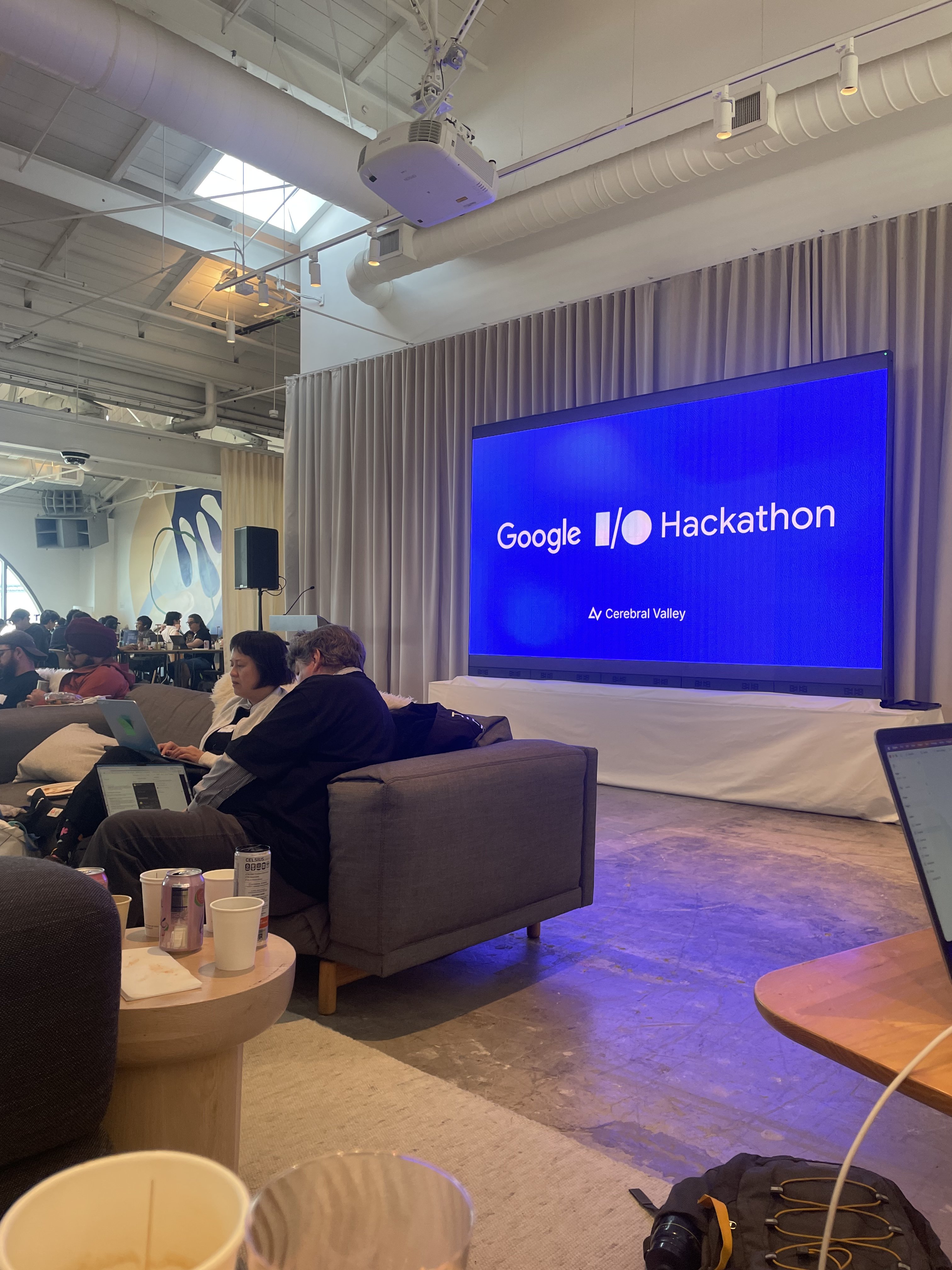
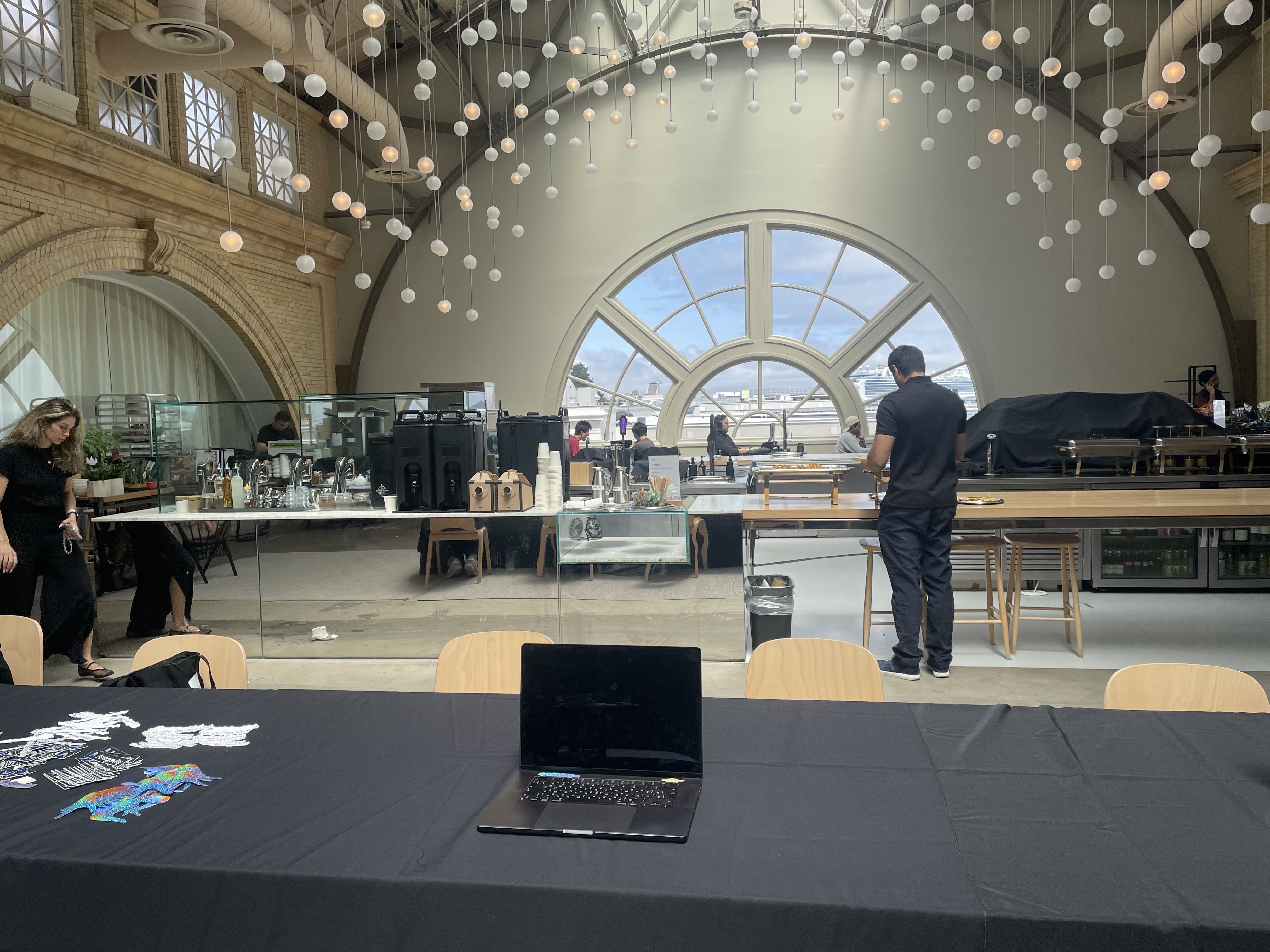
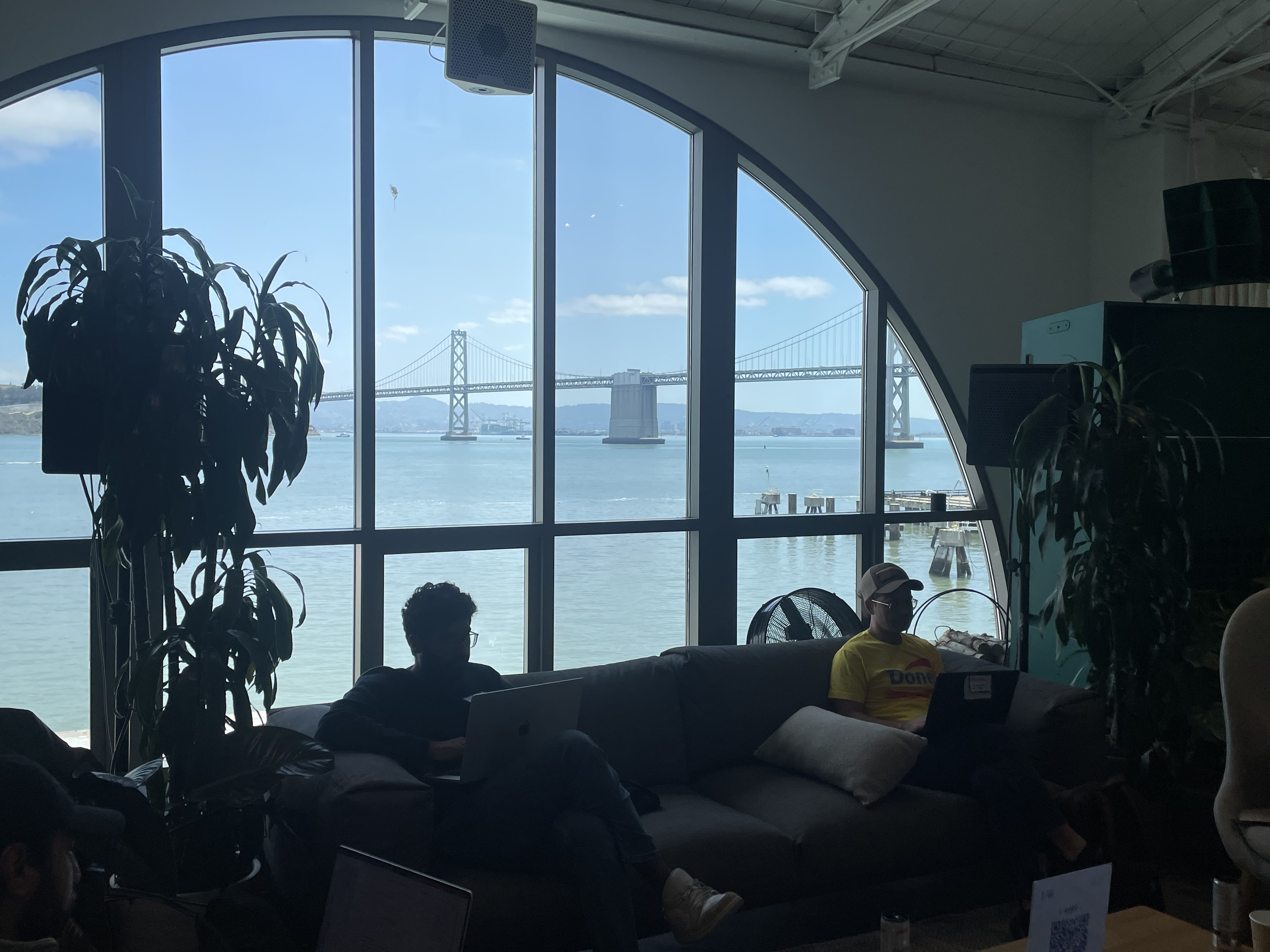
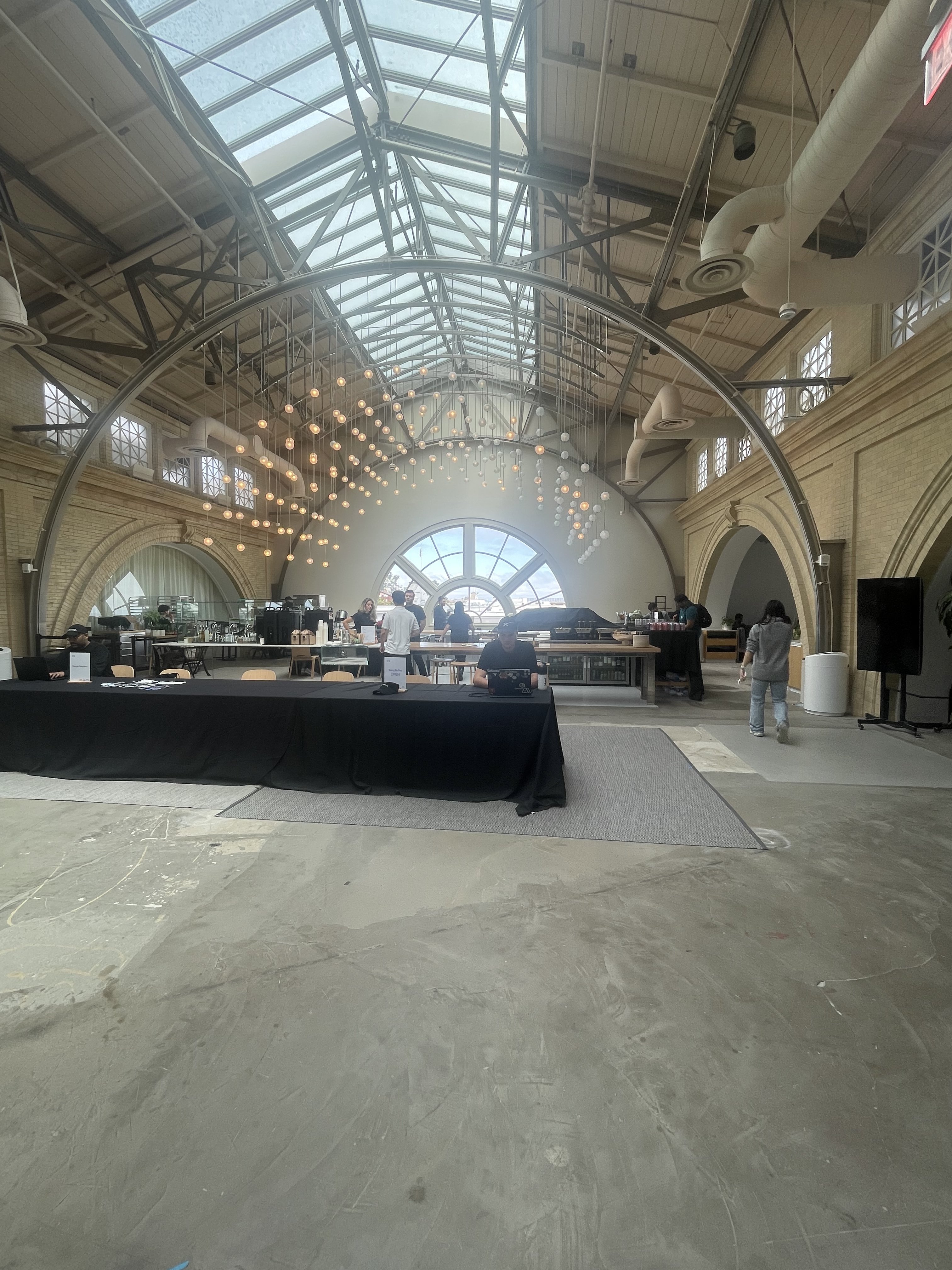
Forty-eight hours after Google DeepMind shipped Gemini Omni, Antigravity 2.0, and the new Managed Agents API at I/O 2026, Cerebral Valley convened 150-plus builders at SHACK15 in San Francisco. I was in the room as a Google partner — not a competitor — to talk to builders, observe the new stack under load, and feature the work that will matter twelve months from now. Part 1 of a two-part series on Google I/O 2026.
My friend Yves Hughes just won 3rd place at the Google I/O Hackathon — and the bonus track for Managed Agents, the marquee Google announcement of I/O 2026. He beat more than 150 competing submissions over a single Saturday. I was in the room, watching the new Google agent stack get stress-tested by the people building production AI agents on it — the exact signal Enso Labs tracks for our Fortune 500 clients.
Forty-eight hours earlier, on May 19, Google DeepMind announced Gemini Omni, Antigravity 2.0, the new Managed Agents API, and Gemini 3.5 Flash at the I/O 2026 keynote. By Saturday morning, Cerebral Valley had convened 150-plus builders at SHACK15 in San Francisco to be the first to ship on a stack that had not existed at the start of the work week. The fastest path from a Google product launch to a production implementation is now measured in hours, not quarters.
I attended as a Google partner — not as a hackathon competitor. The job was to talk to builders, observe what they were trying to push the new APIs to do, and surface the work I expect to be referencing in Fortune 500 client conversations through the rest of 2026. Yves' win is the first of those references. This article is the rest.
What Google Shipped on Monday That Made the Weekend Possible
The I/O 2026 keynote was not a model launch. It was the unveiling of a coherent agent stack — four announcements that fit together as a single platform play.
Gemini Omni is Google DeepMind's new world model — an any-to-any generative system that fuses Gemini reasoning with DeepMind's Veo, Nano Banana, and Genie components. The keynote demo was a glass marble rolling down a complex chain-reaction track, with the model anticipating physics, gravity, and kinetic motion at every frame. Omni does not just generate video. It predicts what should happen in a physical world and renders accordingly.
Antigravity 2.0 is the platform's biggest reset since it launched in November 2025. The product no longer centers on a code editor. It centers on the agent. A manager agent decomposes a task into subtasks, then dispatches specialized agents in parallel — one writing code, one running terminal commands, one testing in the browser — all coordinated through an SDK co-optimized for Gemini 3.5 Flash. DeepMind engineer Varun Mohan demoed it building a functioning operating system from scratch in twelve hours. The platform also integrates CodeMender, DeepMind's autonomous security agent, which has already upstreamed 72 security fixes to open-source projects across codebases up to 4.5 million lines.
Gemini 3.5 Flash is the engine making everything run. It outperforms Gemini 3.1 Pro across almost every benchmark while running four times faster than peer frontier models. The strategic point Google made on stage was unambiguous: Flash is not a budget tier. Flash is the new default for production agentic workflows.
Managed Agents is the API that ties the stack together. With a single call, developers can now spin up an agent that reasons, uses tools, and executes code inside an isolated Linux environment — powered by the Antigravity agent harness, built on Gemini 3.5 Flash, available through the Interactions API and Google AI Studio. This was the launch the hackathon was specifically designed to stress-test.
Three Strategic Takeaways From the Weekend
Beyond the leaderboard, three patterns surfaced across the room. These are the patterns I am taking into Fortune 500 client conversations this week.
Multi-agent orchestration is becoming the default. Antigravity 2.0's manager-and-specialist pattern is not a feature. It is a re-architecture. Builders who started Saturday morning with single-agent loops finished the day with multi-agent compositions. Single-agent frameworks will look quaint within six months. Enterprise architects who are still scoping "pilot one AI assistant" should re-scope to "pilot a team of agents."
Managed Agents collapses the production-agent learning curve. What used to take an enterprise platform team six weeks of harness work — sandboxing, tool routing, code execution isolation — Google now ships as a single API call. For Fortune 500 transformation programs, this changes the build-versus-buy math on every agent initiative. The question is no longer "can we build the harness?" It is "do we still need our own harness, or do we adopt Managed Agents and redirect that engineering capacity to domain logic?"
Omni's world model is a separate strategy entirely. Most of the room was head-down on Managed Agents and Antigravity. Omni was largely treated as future-state. That is a tell. Omni's physics-aware video generation is going to reprice product visualization, robotics simulation, and high-volume training content over the next twelve months — but the enterprise adoption curve is slower than the agent stack. CMOs and Chief Innovation Officers who pre-stage their Omni evaluation now will move faster than the ones who wait for the case studies.
Featured Builder: Yves Hughes Won the Marquee Track
Yves Hughes — AI Executive Coach and self-described "Enterprise PM who is actively building AI" — took home 3rd place at the Google I/O Hackathon and won the dedicated bonus track for Managed Agents. The Managed Agents bonus was, by any honest measure, the marquee category of the weekend. Managed Agents was Google's headline launch on Monday. Three days later, Yves had shipped the implementation that beat more than 150 competing builds on the metric Google itself defined as the prize.
What makes this notable is not just the medal. It is the positioning. Yves is not a twenty-two-year-old infrastructure engineer. He is a senior enterprise product leader and AI executive coach who put his name on a Managed Agents implementation that won inside Google's own house — against a room that included seasoned platform engineers and YC-backed founders. The signal — that experienced enterprise builders can outship pure infrastructure specialists on the new frontier stack — is the same signal Enso Labs is built on.
Yves' full post on the win, with hackathon photos: LinkedIn →
What This Means for Fortune 500 AI Strategy
The Google I/O 2026 announcement was not a model launch. It was a coherent agent stack. Omni handles world modeling and multimodal generation. Antigravity 2.0 handles multi-agent orchestration and autonomous coding. Managed Agents handles the production runtime. Gemini 3.5 Flash is the engine underneath all of it. For the first time, Google is competing on a stack that matches the depth of the Anthropic and OpenAI agent platforms — and on multi-agent orchestration with security baked in via CodeMender, Google is now ahead.
For the Fortune 500 transformation leaders we work with, this is the moment to do three things in the next ninety days. First, run a Managed Agents pilot against one production workflow already running on a custom harness — measure the engineering capacity you free up. Second, evaluate Antigravity 2.0 in one engineering team and quantify the velocity delta versus your existing toolchain. Third, commission an Omni feasibility study against your largest existing video, training, or product visualization spend line. None of these is a 2027 decision. Each one is decidable by the end of Q3.
What Comes Next
Cerebral Valley's next stop is Paris in July — the RAISE Summit on July 4 and 5, followed by the Machina Hackathon on July 6. Google also announced the Build with Gemini XPRIZE on the keynote stage: $2 million in prizes for 90 days of building real businesses on Gemini. The agent ecosystem is no longer a single venue. It is a global circuit running quarterly, and the builders who win it twice are about to define the next twelve months.
Part 2 of this series covers the I/O after-hours circuit — two nights with Google DeepMind in San Francisco where the strategic signal lived between the demos. If you are a Fortune 500 leader deciding what to do with Omni, Antigravity, and the new Managed Agents API, this is the question Enso Labs is built to answer with you. Explore our AI transformation services or get in touch.
Frequently Asked Questions
What happened at the Google I/O 2026 hackathon?
The Cerebral Valley × Google I/O Hackathon took place on May 23, 2026 at SHACK15 in San Francisco, two days after Google DeepMind shipped Gemini Omni, Antigravity 2.0, the Managed Agents API, and Gemini 3.5 Flash at I/O 2026. Over 150 builders competed, with Yves Hughes winning 3rd place overall and the dedicated Managed Agents bonus track — the marquee category of the weekend.
What is Google's Managed Agents API?
Google's Managed Agents API, announced at I/O 2026, lets developers spin up an agent that reasons, uses tools, and executes code inside an isolated Linux environment — powered by the Antigravity agent harness, built on Gemini 3.5 Flash, available through the Interactions API and Google AI Studio. It collapses six weeks of custom harness engineering into a single API call.
What is Antigravity 2.0?
Antigravity 2.0 is Google DeepMind's agentic coding and orchestration platform, redesigned at I/O 2026 to center on the agent rather than the code editor. A manager agent decomposes tasks into subtasks and dispatches specialized agents in parallel — one writing code, one running terminal commands, one testing in the browser — all coordinated through an SDK co-optimized for Gemini 3.5 Flash.
Want to scope an engagement around this?